






Penna Roller Montblanc Writers Edition Homage To Johann Wolfgang Von Goethe Limited edition
€1,240.00
Penna Roller Montblanc Writers Edition Homage To Johann Wolfgang Von Goethe Limited edition
ref. 131438
prezzo di listino 1240€
Disponibile
Penna Roller Montblanc Writers Edition Homage To Johann Wolfgang Von Goethe Limited edition
ref. 131438
prezzo di listino 1240€
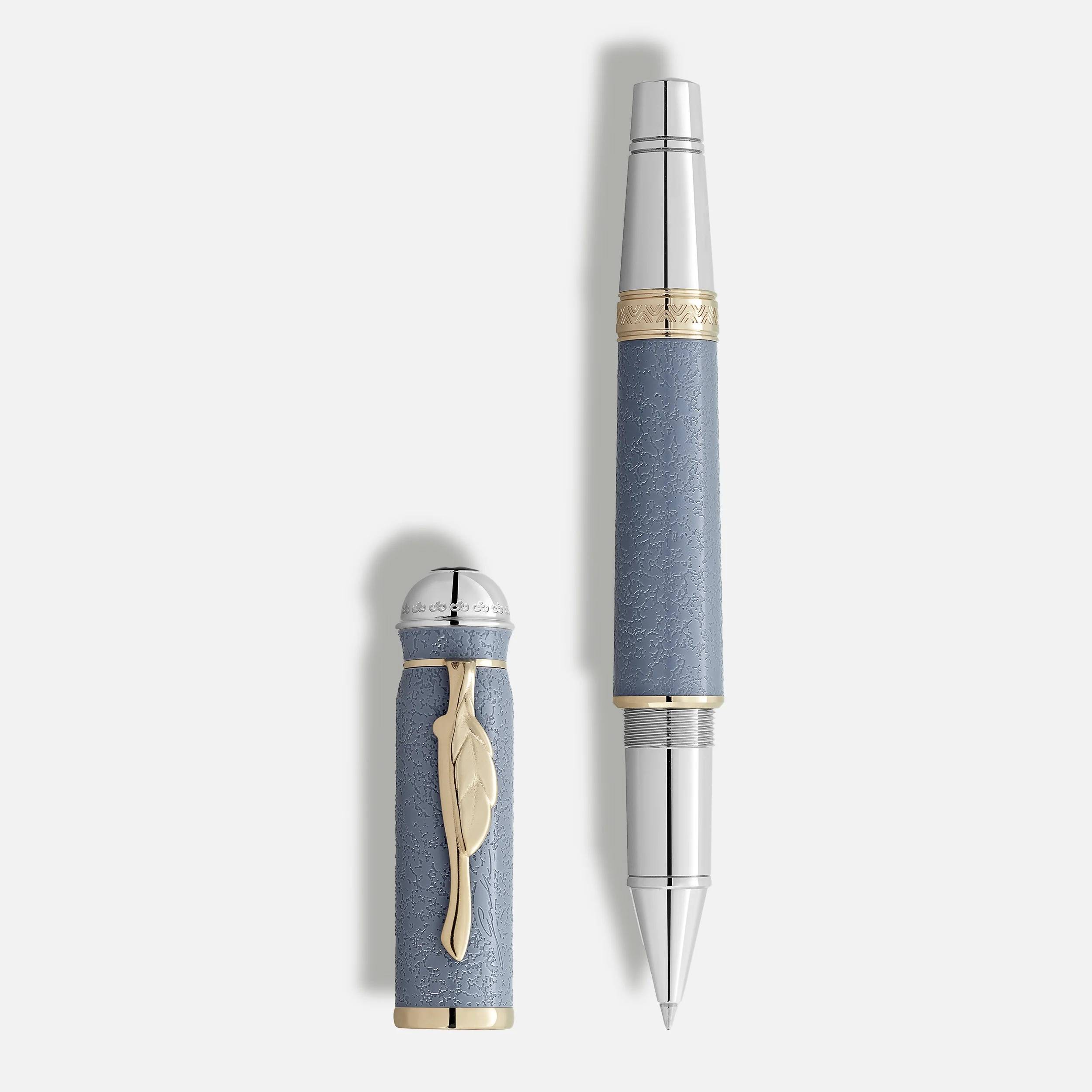
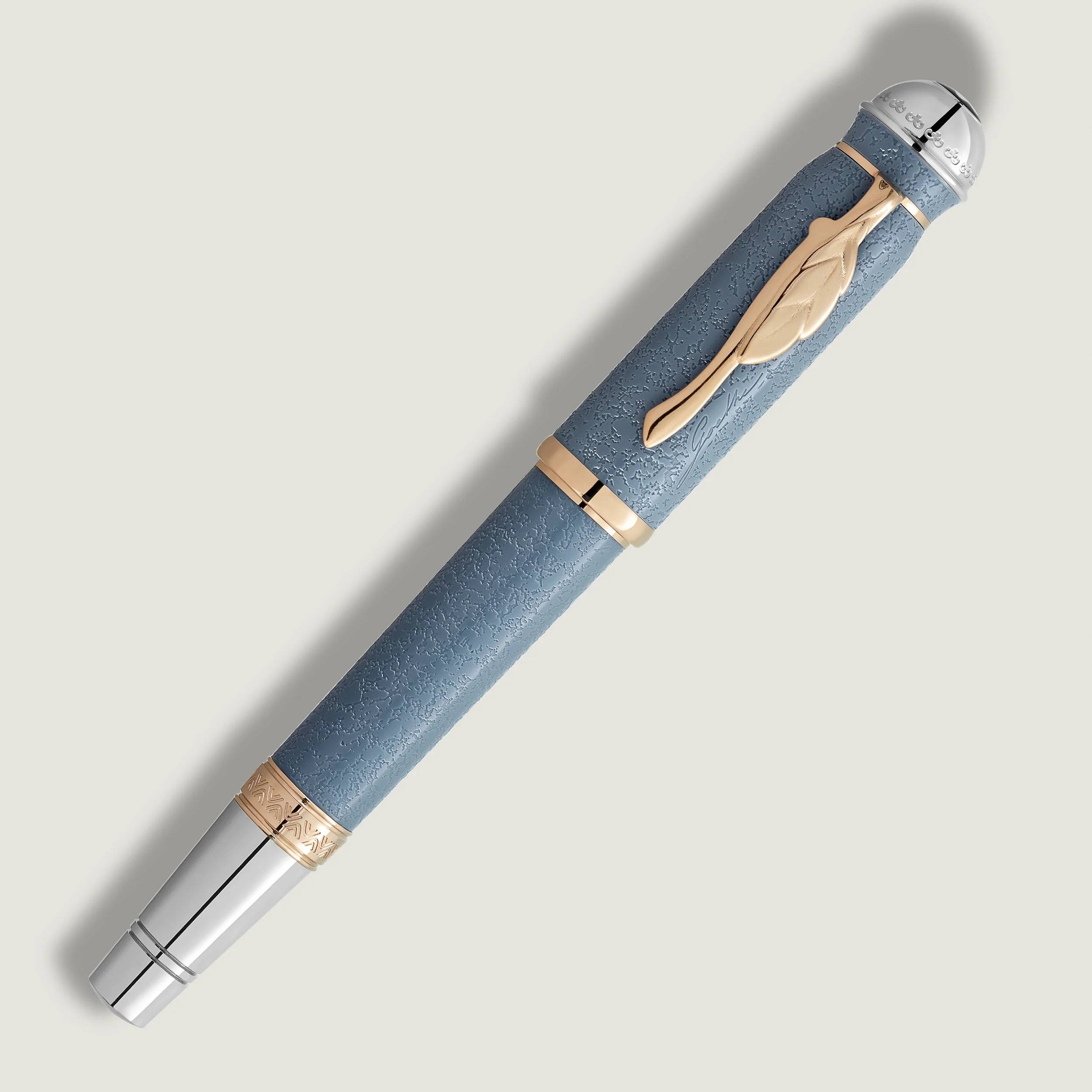
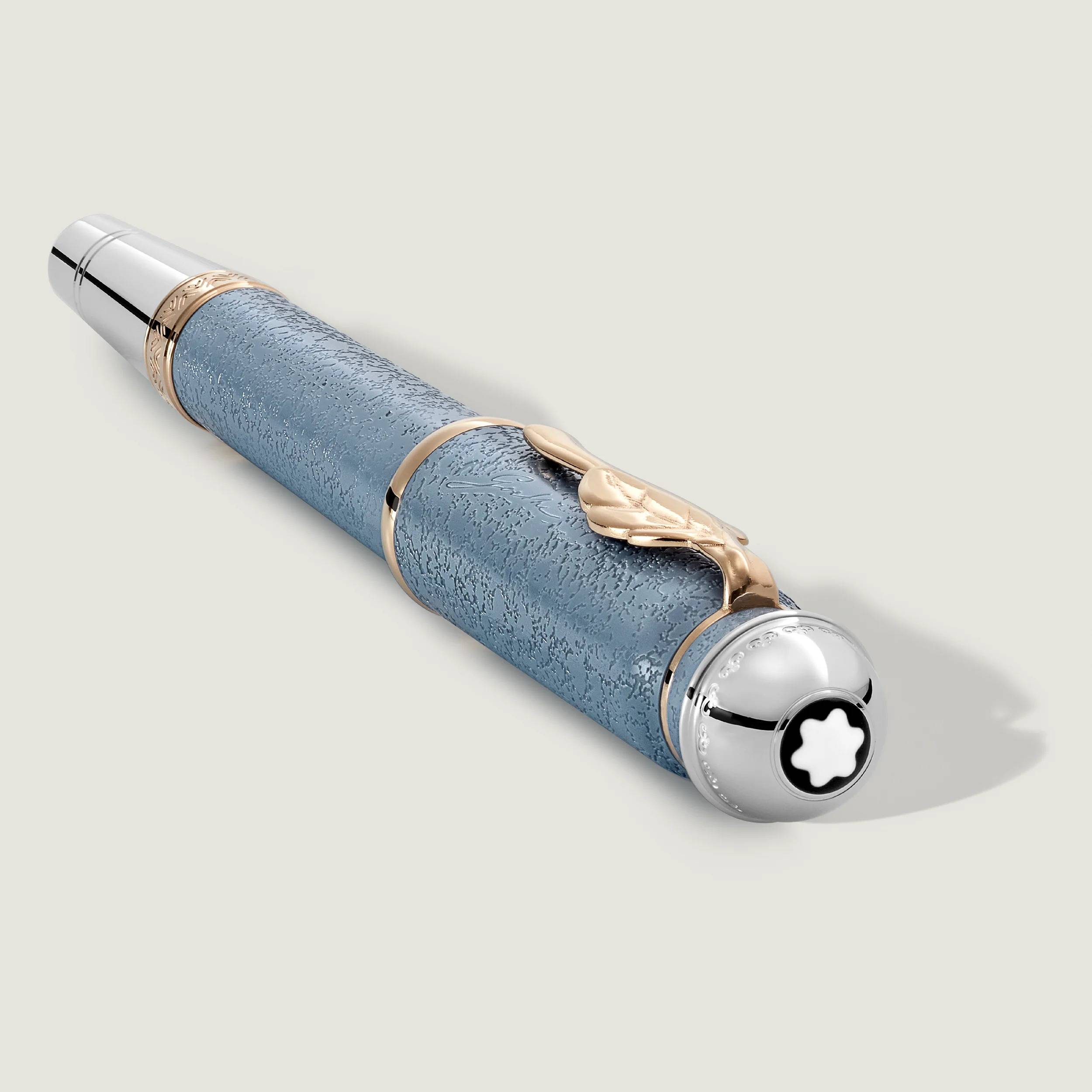
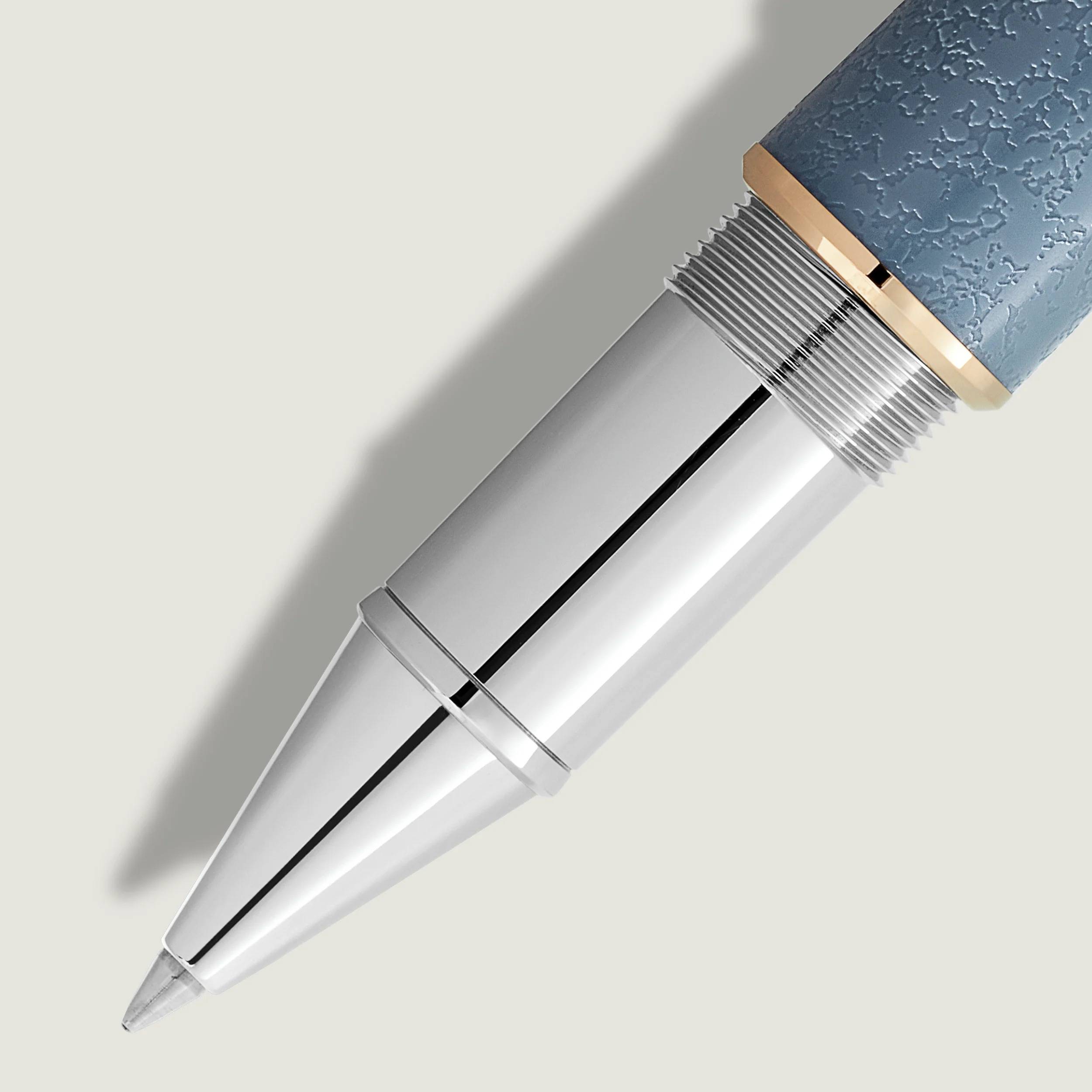
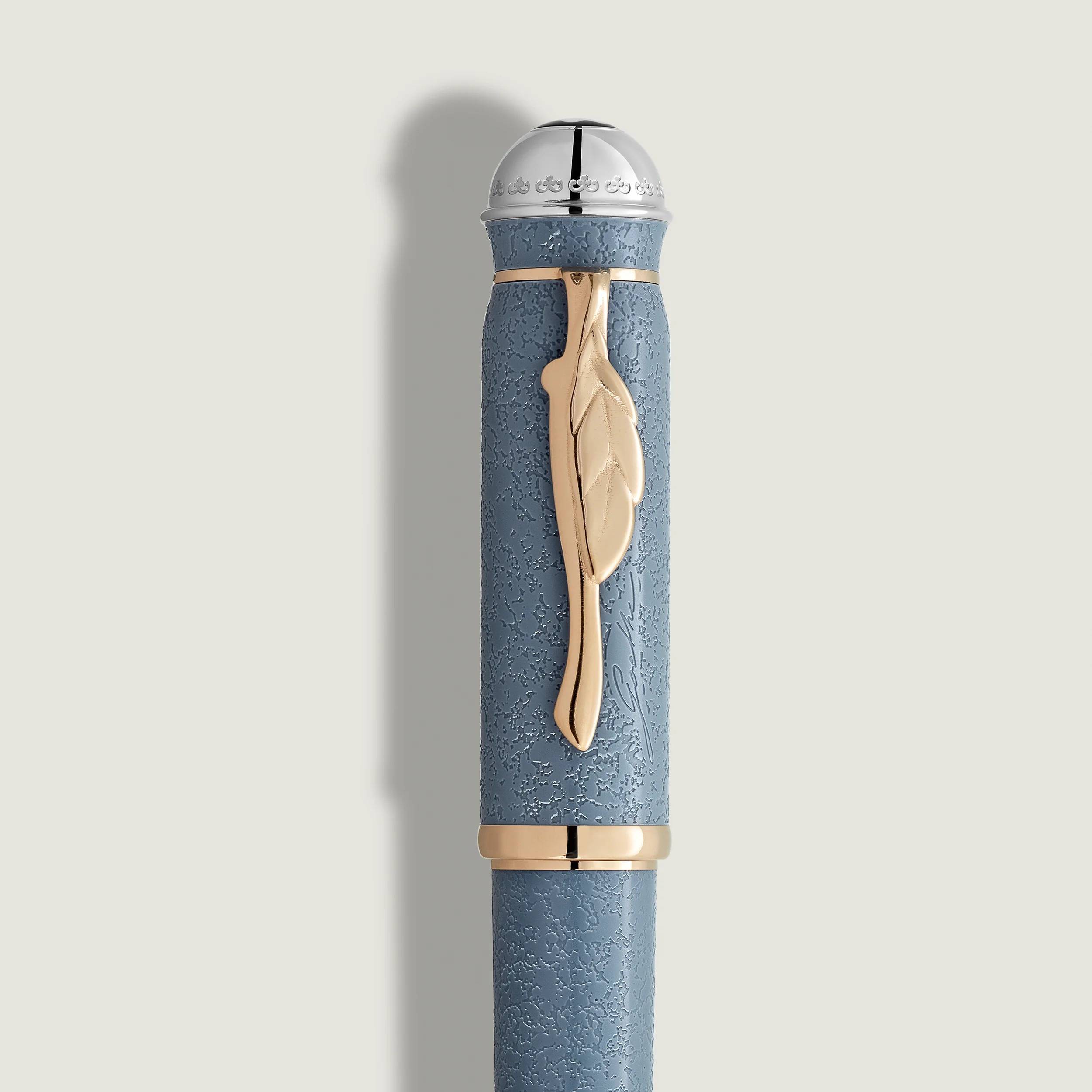
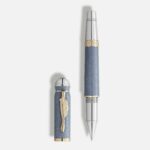
Al centro del movimento intellettuale del XVIII secolo c’era un uomo in particolare, le cui parole trascendono il tempo: Johann Wolfgang von Goethe. Poliedrico, gigante della letteratura tedesca, avvocato, ministro del governo, direttore di teatro, nonché prodigioso collezionista e naturalista, fu in tutto e per tutto un rivoluzionario, intento a spingere sempre più avanti i confini della percezione e dell’apprendimento. Animato da un’insaziabile sete di conoscenza, la sua versatilità creativa non conosceva limiti. La profondità filosofica del Faust, la ricercatezza lirica della sua poesia e l’ampiezza dell’esplorazione scientifica alla base della sua teoria dei colori e dei suoi trattati di botanica hanno avuto un significato epocale e testimoniano, nella loro varietà e influenza di vasta portata, il genio di Goethe. Come poeta e statista, consigliere, amico e amante, ha lasciato un segno indelebile nel mondo che lo circondava e ancora oggi è fonte di ispirazione e visione. Con il sostegno della Klassik Stiftung Weimar e del Goethe National Museum che la ospita, Montblanc dedica la sua Writers Edition Homage to Johann Wolfgang von Goethe Limited Edition a questo genio universale, concentrandosi in particolare sulle sue opere letterarie. La scrittura era la linfa vitale di Goethe. L’edizione più completa delle sue opere e dei suoi scritti comprende attualmente 40 volumi, che contengono circa 3000 poesie. Il suo dramma Götz von Berlichingen dalla mano di ferro fu pubblicato in forma anonima nel 1773 ma solo un anno dopo, in un periodo di frenetica attività, scrisse I dolori del giovane Werther in meno di quattro settimane, che rese il venticinquenne avvocato improvvisamente famoso. Il giovane Werther portò la letteratura tedesca sulla scena letteraria europea. È la storia di un giovane uomo diviso tra amore e dovere, passione ardente e convenzioni sociali. Un’intera generazione si riconobbe nel destino dell’infelice Werther. Il romanzo ha influenzato anche questa edizione limitata: la sua suggestiva descrizione del marmo ha ispirato il look della preziosa lacca del cappuccio e del corpo, mentre l’incisione sull’anello del corpo richiama la cornice di un’illustrazione su rame di una delle prime edizioni di Werther. Un altro elemento chiave del design rimanda alla casa di Goethe a Weimar. La tonalità di blu e il motivo della preziosa lacca riflettono il colore e la struttura della carta da parati nella stanza di Giunone nella dimora dello scrittore. Anche i dettagli finitura oro e platino celebrano altri elementi decorativi degli interni. Un affascinante motivo simile a una serie di foglie di trifoglio è inciso attorno alla parte superiore del cappuccio, ripreso da una lettera scritta da Goethe alla sua amata Charlotte Buff, modello per il personaggio di Lotte nel suo I dolori del giovane Werther. Opera eccezionale del movimento Sturm und Drang, il romanzo epistolare del giovane Goethe fu riconosciuto come un colpo di genio e, soprattutto, un capolavoro della letteratura mondiale. In una lettera del 26 gennaio 1827, Goethe interpretò il termine “letteratura mondiale” in modo molto più letterale di quanto non lo sia oggi, indicando un processo di comunicazione letteraria e stimolo artistico reciproco sul piano internazionale. Allo stesso modo, incorporò elementi della poesia persiana nel suo ciclo Divano occidentale-orientale, tale letteratura dovrebbe ambire a essere espressione di universalità, trascendendo ogni barriera linguistica, etnica e temporale. Come simbolo del concetto del dialogo letterario internazionale, incarnato dal termine coniato da Goethe “letteratura mondiale”, il cappuccio riprende la forma di un globo, coronato dall’emblema Montblanc. La sete di conoscenza di Faust e il suo desiderio irrefrenabile di svelare i segreti del mondo riflettono la passione di Goethe per lo studio dei fenomeni naturali. In età avanzata, arrivò persino a considerare i suoi risultati scientifici più preziosi delle sue opere poetiche. Nella sua Teoria dei colori, affrontò una vasta gamma di argomenti, dalla fisica alla psicologia del colore, aprendo una prospettiva completamente nuova sull’essenza del colore. Si dedicò anche all’ottica e all’anatomia, alla biologia e alla geologia, archiviando migliaia di campioni scientifici in barattoli e scatole. La forma leggermente ricurva del cappuccio, che rimanda a un antico vaso degli speziali, è un omaggio alle conquiste di Goethe come scienziato e collezionista. La clip a forma di foglia rende omaggio ai suoi studi nel campo della morfologia e, in particolare, alla sua teoria di una forma vegetale archetipica. Traspose questa idea anche in versi nel suo poema didattico d’amore La metamorfosi delle piante. L’ispirazione per il design globale dell’edizione, in particolare del corpo e del cono, è stata presa dal tipo di strumento di scrittura storico con cui Goethe ha trasporto scoperte ispirati agli storici, con il quale ha trasporto su carta tutte le sue conoscenze, intuizioni e frutti della sua immaginazione poetica illimitata.
Colore Blue
Dimensioni145.9 16.9 mmPeso
62.07 g
Sistema di scrittura Rollerball
At the heart of the 18th-century intellectual movement was one man whose words transcend time: Johann Wolfgang von Goethe. A polymath, a giant of German literature, a lawyer, a government minister, a theater director, as well as a prodigious collector and naturalist, he was a revolutionary through and through, constantly pushing the boundaries of perception and learning. Driven by an insatiable thirst for knowledge, his creative versatility knew no bounds. The philosophical depth of Faust, the lyrical sophistication of his poetry, and the breadth of scientific exploration underlying his theory of colors and his botanical treatises were epochal in significance and testify, in their diversity and far-reaching influence, to Goethe’s genius. As poet and statesman, advisor, friend, and lover, he left an indelible mark on the world around him and remains a source of inspiration and vision today. With the support of the Klassik Stiftung Weimar and the Goethe National Museum that houses it, Montblanc dedicates its Writers Edition Homage to Johann Wolfgang von Goethe Limited Edition to this universal genius, focusing specifically on his literary works. Writing was Goethe’s lifeblood. The most complete edition of his works and writings currently comprises 40 volumes, containing approximately 3,000 poems. His drama Götz von Berlichingen, the Iron Hand, was published anonymously in 1773, but just a year later, during a period of frenetic activity, he wrote The Sorrows of Young Werther in less than four weeks, which made the twenty-five-year-old lawyer suddenly famous. Young Werther brought German literature to the European literary scene. It is the story of a young man torn between love and duty, burning passion and social convention. An entire generation recognized itself in the fate of the unfortunate Werther. The novel also influenced this limited edition: its evocative description of marble inspired the look of the precious lacquer on the cap and barrel, while the engraving on the barrel ring recalls the frame of a copperplate illustration from an early edition of Werther. Another key design element references Goethe’s home in Weimar. The shade of blue and the pattern of the precious lacquer reflect the color and texture of the wallpaper in the Juno Room in the writer’s home. The gold and platinum-plated details also celebrate other decorative elements of the interior. A charming clover-like pattern is engraved around the top of the cap, taken from a letter Goethe wrote to his beloved Charlotte Buff, the model for the character of Lotte in his The Sorrows of Young Werther. An exceptional work of the Sturm und Drang movement, the young Goethe’s epistolary novel was recognized as a stroke of genius and, above all, a masterpiece of world literature. In a letter dated January 26, 1827, Goethe interpreted the term “world literature” much more literally than it is today, referring to a process of literary communication and mutual artistic stimulation on an international level. Similarly, he incorporated elements of Persian poetry into his Western-Eastern Divan cycle; such literature should aspire to be an expression of universality, transcending all linguistic, ethnic, and temporal barriers. Symbolizing the concept of international literary dialogue, embodied in Goethe’s coined term “world literature,” the cap takes the shape of a globe, crowned by the Montblanc emblem. Faust’s thirst for knowledge and his irrepressible desire to unlock the world’s secrets reflect Goethe’s passion for the study of natural phenomena. In later life, he even came to consider his scientific achievements more valuable than his poetic works. In his Theory of Colors, he addressed a wide range of topics, from the physics to the psychology of color, opening up a completely new perspective on the essence of color. He also devoted himself to optics and anatomy, biology and geology, archiving thousands of scientific specimens in jars and boxes. The slightly curved shape of the cap, reminiscent of an antique apothecary jar, is a tribute to Goethe’s achievements as a scientist and collector. The leaf-shaped clip pays homage to his studies in morphology and, in particular, to his theory of an archetypal plant form. He also translated this idea into verse in his didactic love poem, The Metamorphosis of Plants. The inspiration for the overall design of the edition, particularly the body and cone, was taken from the type of historical writing instrument with which Goethe conveyed discoveries inspired by historians, with which he transferred all his knowledge, insights, and insights to paper.
Prodotti correlati


orecchini miluna POR758BM_006
Il prezzo originale era: €370.00.€277.50Il prezzo attuale è: €277.50.
Gemelli Montblanc Iconic
€280.00
Orecchini Argento donna perla boccole MILUNA Vortice PER1869AG
Il prezzo originale era: €95.00.€71.25Il prezzo attuale è: €71.25.